
Using App For Training, Seminar, University Conferences

If you want to host a conference then you know how hard it can be to offer a meaningful experience for everyone. HostEvent can help you doing that
Why You Should Have An Event App
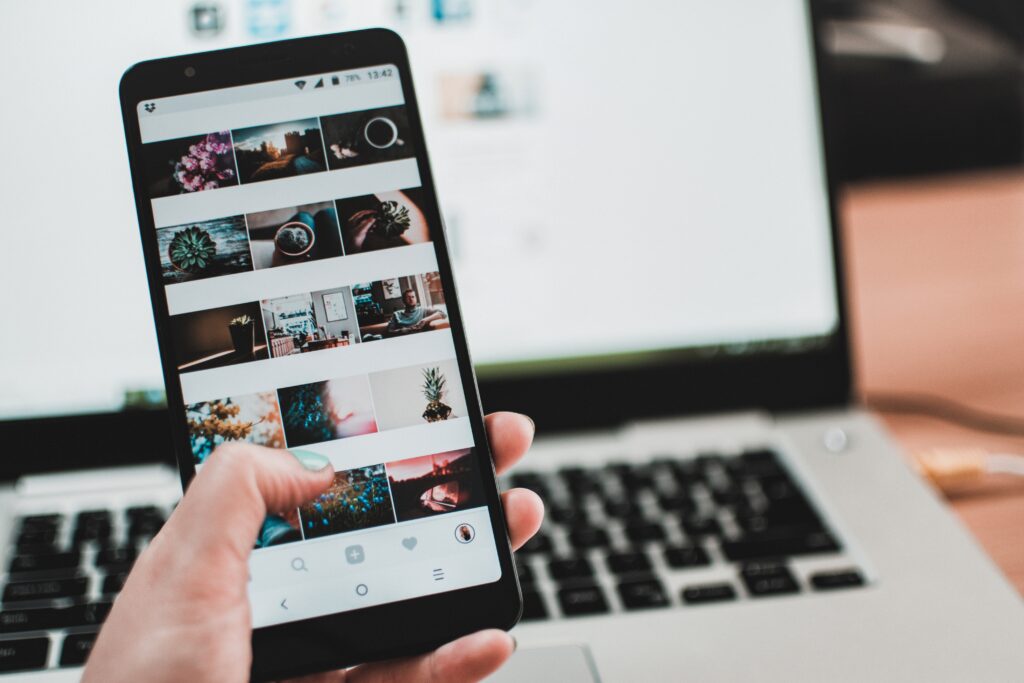
Event Management Tools, Event Returns Why You Should Have An Event App 2 min read April 13, 2020 Facebook-square X-twitter Google-plus-g Pinterest Linkedin Envelope article reference from conferencecompass In 2008, Apple launched the App store for app distribution for iPhones. That same year the Android app market was also launched. The concept of applications for smartphones and mobile devices transformed the communication industry and sparked a frenzy of app creation for any and all products and services. From checking emails, the weather, news, doing banking or connecting to social media, users increasingly depend on mobile apps to perform everyday tasks and to stay connected and informed. No event manager can get by nowadays without a mobile Internet strategy. A mandatory aspect is a responsive website – however, many event planners go for special apps for their conference, trade fair or event to offer their visitors and exhibitors added value. Event organizers have a unique opportunity with an event app to offer attendees an interactive alternative to the program book, and to connect to them in a more direct way. Deciding to get an event management app can be an investment that requires many considerations such as cost, benefits and effectiveness. Let’s look at 7 reasons why an event app is a must-have option for your next event. 1 – No more print Many events use printed programs and abstract books. Printed media for an event can present an array of challenges for the event organizer: What to do if program changes? How to deal with resources? How many units to print? Going paperless with an event app means that program updates are made easily and can be immediately communicated to attendees. Cutting down on printing is both beneficial for the budget and for the environment. 2 – Complete program and more Attendees can access and navigate the full program, as well as view additional multimedia resources such as presentation slides and videos. Quickly finding a session, exhibitor stand or speaker bio is simpler than ever. The event venue is easy to navigate with multiple floor plan views and clear markers. 3 – Increase interaction An event app enables interaction. Not only are attendees kept up-to-date, but they can also use it to create a personal schedule, sync this across multiple devices, and get notified when a presentation is about to start. Attendees can participate in live questionnaires and give feedback to presenters through the app, increasing engagement and interest. 4 – Stay connected and build your community As an event professional, you can stay connected to your community and engage them in ongoing discussions. Interactive sessions, news and publications are just a few of the things that you can notify attendees of before, during and after the event. With an event app you are able to send notifications to all users at any moment. 5 – Increase sponsors revenue For sponsors, your event is a way to gain exposure to a specific target group. An event app offers a new and more direct channel for sponsors to reach that target audience and for a longer period of time, since the app can be installed and used before, during and after the event. 6 – Real time event analytics An event app can provide you with (real-time) event information like nothing else can. This information can be used to make adjustments during your event and plan for your next event to ultimately improve the event experience and ROI. 7 – Keep up with attendee demands An event app enables you to adapt to the ever evolving needs of your attendees. Currently attendees want more than just to consume information. Today’s attendees want to participate and be more involved. An event app can make this possible. It gives delegates the means to communicate, collaborate and interact during the event, making their event experience more complete. SHARE THIS ARTICLE Facebook-square X-twitter Google-plus-g Pinterest Linkedin Envelope TAGS event app event budget event management event registration mobile app planner You might also like Event Engagement, Event Planning, Event Returns Major Event Trends Of 2020 2 min read December 8, 2018 Event Engagement, Event Planning, Event Returns How To Stay On Budget When Organizing An Event? 2 min read December 8, 2018 Event Engagement, Event Planning, Event Returns Top 11 Easy Steps To Plan A Corporate Event 2 min read December 8, 2018 Event Engagement, Event Planning, Event Returns A Few Common Mistakes When Organizing Corporate Events 2 min read December 8, 2018 Event Engagement, Event Planning, Event Returns A Step By Step Guide On Professional Conference Organizing 2 min read December 8, 2018 Event Engagement, Event Planning, Event Returns Indispensable Event App Features That Will Make Your Event More Appealing 2 min read December 8, 2018 Leave a Reply Your email address will not be published. Required fields are marked * Comment * Name * Email * Website Event Engagement, Event Planning, Event Returns How To Generate Higher ROI On Training Investment 2 min read December 8, 2018 Event Engagement, Event Planning Choosing The Right Entertainment Format For Your Event 2 min read April 13, 2019 Event Engagement, Event Management Tools, Event Planning 6 Things To Consider When Choosing An Event Organizer App 2 min read February 2, 2019 Event Engagement, Event Planning Training Events: From Planning To Specific Tips & Tricks 2 min read June 14, 2019
Mobile Web Apps
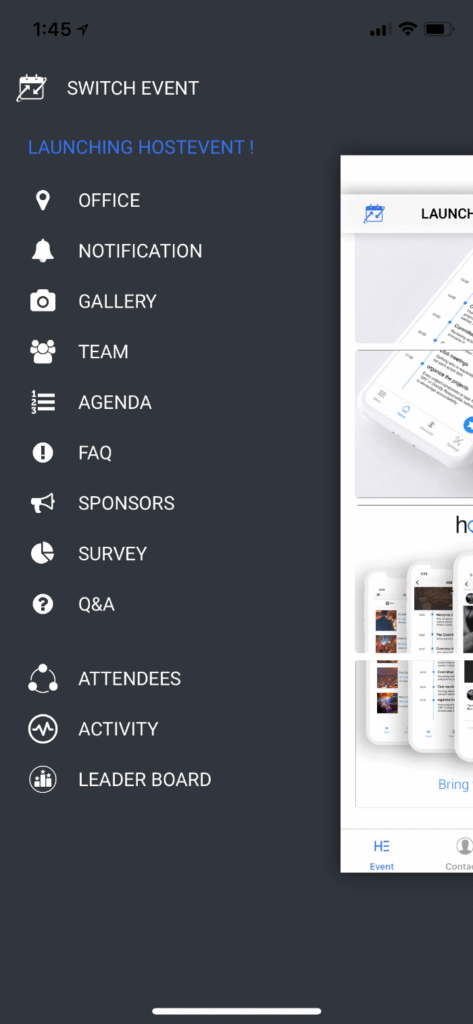
Event Management Tools, Event Returns Mobile Web Apps 2 min read April 13, 2020 Facebook-square X-twitter Google-plus-g Pinterest Linkedin Envelope article reference from conferencecompass Web apps are basically internet-enabled applications that are accessible via the mobile device’s Web browser. Users don’t need to downloaded and install the app onto the mobile device in order to access it. The app is written as web pages in HTML and CSS, with the interactive parts in Jquery, JavaScript or similar language. Meaning that single web app can be used on most devices capable of surfing the web, regardless of the operating system they use. Let’s see what the Pros and Cons of a mobile web app are. Pros They are instantly accessible to users via a browser across a range of devices (iPhone, Android, Windows, etc.). They are much easier to update or maintain by the developer. If you want to change the design or content of a mobile web app, you simply publish the update to the server and the changes are immediately visible. They are much easier for users to discover since their pages can be displayed in search results and listed in common search engines such as Google or Bing. Visitors to your regular website can be automatically sent to the mobile web app when they are on a handheld mobile device (by using device detection). Just like a standard website, mobile websites / web app can be developed as database-driven web applications that act very much like native apps. The development is considerably more time and cost-effective than development of a native app, using programming languages and technologies that are more commonly understood and have a much larger developer base. Cons Mobile Web apps only have limited scope as far as accessing a mobile device’s features is concerned (device-specific hand gestures, sensors, etc.). There are so many variations between web browsers and browser versions and phones that it makes it challenging to develop a stable web-app that runs on all devices without any issues. They are not listed in ‘App Stores’. So if someone is looking for your app in the app store, they will be unable to discover it though such means. Since there is no standard quality control system for Web apps, users may not always be guaranteed safety and security of the app. Web apps are unavailable when offline, even as a basic version. So, which is better – a native app or a web app? It depends on your end goals. If your goal is to establish a broad mobile presence, then you should go for a mobile web app. If your goal is to provide an application that needs to work more like a computer program than a website, rich with interaction, a native mobile app would be the best choice. As mentioned above, web apps have to be built by the event organizers themselves. They have to also figure out where the event will be hosted and work with payment service providers to sell tickets and collect money. Native apps can be built on platforms like the HostEvent event software with minimal effort and are extremely cost effective, easily built in less than 30 minutes. Payment service providers are integrated with the app and the app is hosted on the HostEvent data center. With HostEvent you get the following event management features: In-app discussions. Private messaging. Social media activity page (like Facebook, etc.). Agenda. Sharing media (photo, documents, videos). Surveys. Q&A discussion forum. Registration/ticketing option. Sponsors. Speakers. Important information announcement. Instant notifications, etc. To add icing to the cake, HostEvent gives you the opportunity to host your event app absolutely free for the first event. Sign up now take advantage of the offer. Mobile App Menu Screen SHARE THIS ARTICLE Facebook-square X-twitter Google-plus-g Pinterest Linkedin Envelope TAGS event trends event trends 2020 major event trends what are major event trends You might also like Event Engagement, Event Planning, Event Returns Major Event Trends Of 2020 2 min read December 8, 2018 Event Engagement, Event Planning, Event Returns How To Stay On Budget When Organizing An Event? 2 min read December 8, 2018 Event Engagement, Event Planning, Event Returns How To Bring Life To Any (Even The Most Specific) Event? 2 min read December 8, 2018 Event Engagement, Event Planning, Event Returns Indispensable Event App Features That Will Make Your Event More Appealing 2 min read December 8, 2018 Event Engagement, Event Planning, Event Returns An Ideal Entertainment For Any Event 2 min read December 8, 2018 Event Engagement, Event Planning, Event Returns The Basic Steps To Successful Event Planning 2 min read December 8, 2018 Leave a Reply Your email address will not be published. Required fields are marked * Comment * Name * Email * Website Event Engagement, Event Planning, Event Returns How To Generate Higher ROI On Training Investment 2 min read December 8, 2018 Event Engagement, Event Planning Choosing The Right Entertainment Format For Your Event 2 min read April 13, 2019 Event Engagement, Event Management Tools, Event Planning 6 Things To Consider When Choosing An Event Organizer App 2 min read February 2, 2019 Event Engagement, Event Planning Training Events: From Planning To Specific Tips & Tricks 2 min read June 14, 2019